Pickle vegetables in 5 minutes
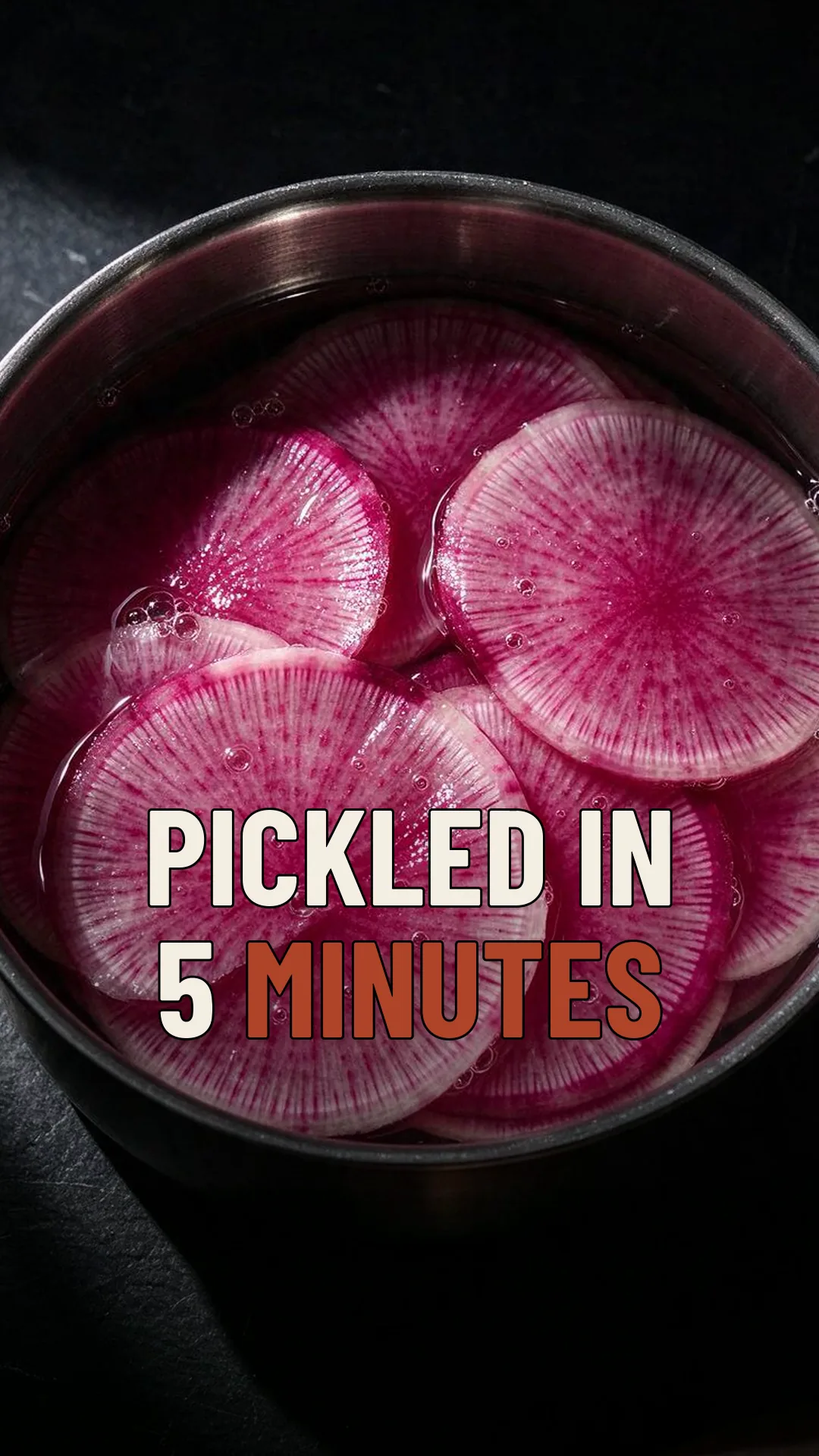
Crisp, bright pickles in the time it takes to set the table, with no hot brine and no weeks of waiting.
A jar pickle takes days to get flavor past the skin, and hot brine softens and dulls whatever it touches. A chamber vacuum sealer does the job in one cycle. The brine goes in cold, the vegetables come out seasoned all the way through, and they still snap.
Amounts and temperatures
- Brine: equal parts vinegar and water by weight, with about 2% salt and 3% sugar by weight of the liquid. Sweeten more or less to taste.
- Brine temperature: fridge-cold, about 40°F (4°C), before it goes in the chamber.
- Cut: slices about 1/8 in (3 mm) thick, or small pieces.
- Time: one full vacuum cycle, about a minute. Run a second for a stronger pickle.
- Storage: these are refrigerator pickles only. Keep them cold; they are best within about 2 weeks.
Method
- 1
Make your brine and chill it in the fridge until it is properly cold. Warm liquid boils over under vacuum.
- 2
Slice the vegetables thin or cut them into small pieces. The more cut surface, the faster the brine gets in.
- 3
Put the vegetables in a container that fits the chamber and pour over enough brine to cover them.
- 4
Press plastic wrap directly onto the surface of the liquid so nothing floats up or splashes.
- 5
Run a full vacuum cycle and let the pressure come back slowly.
- 6
Lift off the wrap, taste a piece, and run a second cycle if you want them stronger. Serve straight away or keep them cold.
Why it works
Vegetables are full of tiny pockets of air. When the chamber pulls a vacuum, that air expands and leaves the cells. When the pressure returns, the brine is the only thing around to fill the space, so it is pushed deep into the vegetable in seconds instead of creeping in over weeks. Because nothing is heated, the cell walls stay firm and the color stays fresh. That is also why it works on things hot brine would wreck, like soft herb leaves and edible flowers. Dense, whole vegetables have little exposed surface, so they barely change; cut size decides how fast it works.
Common mistakes
- Warm brine. It boils over under vacuum and softens the vegetables, so chill it first.
- Whole or thick pieces. With so little cut surface the brine barely gets in; slice thin.
- Skipping the plastic wrap. Slices float up and the top layer comes out underdone.
- Treating them like canned pickles. Nothing was heated or sealed for storage, so keep them in the fridge and eat them within about 2 weeks.
The tool
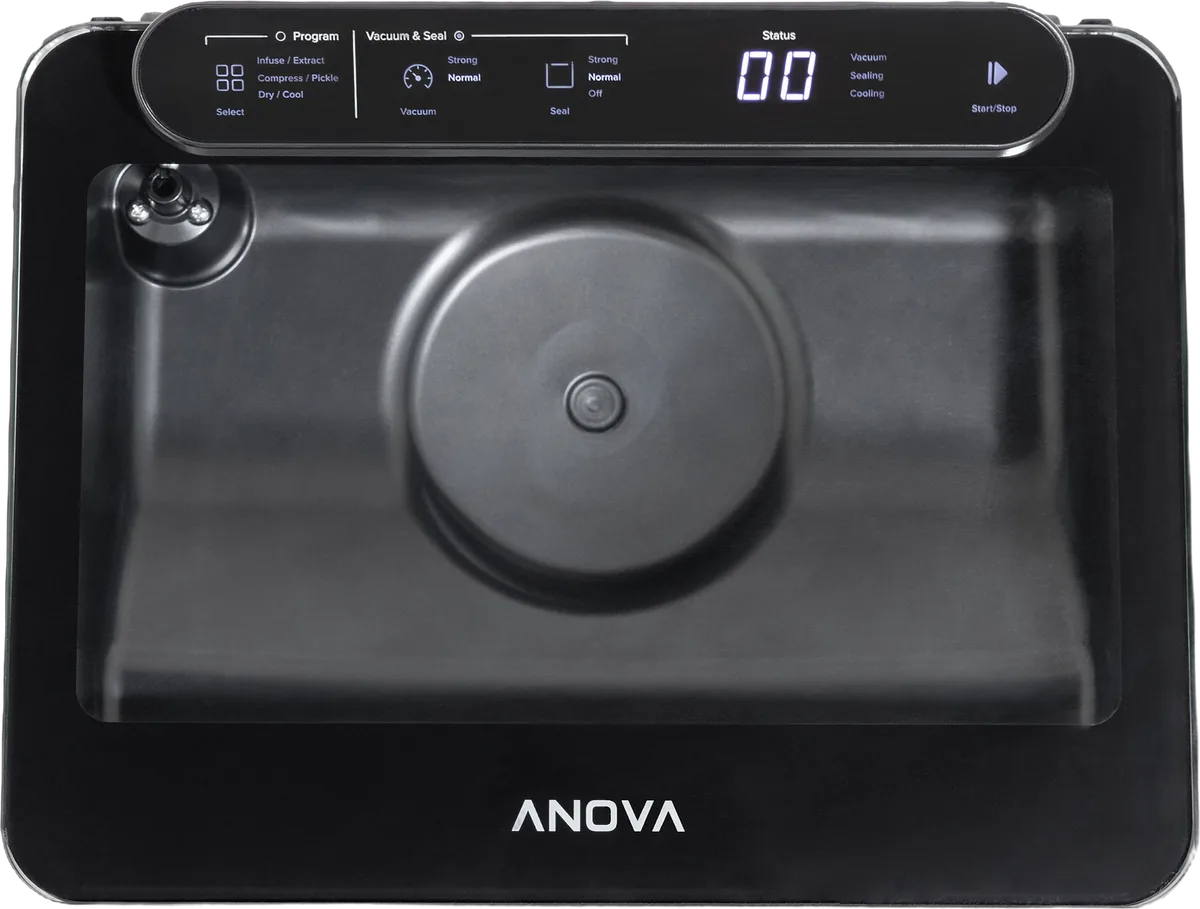
Precision Chamber Vacuum Sealer
Seals soup. Fits under a cabinet.
We earn nothing on this one. It’s here because it’s good, and the link goes to Anova.
Raw watermelon, cucumber or apple comes out of a cycle dense, glassy and brighter; add a splash of juice or vinaigrette to the bag and it's infused at the same time. Slightly wilted herbs firm back up if you sink them in a container of ice water and run a cycle, though nothing saves bruised leaves. Keep any liquid fridge-cold, because warm liquid boils over under vacuum.
Also useful here
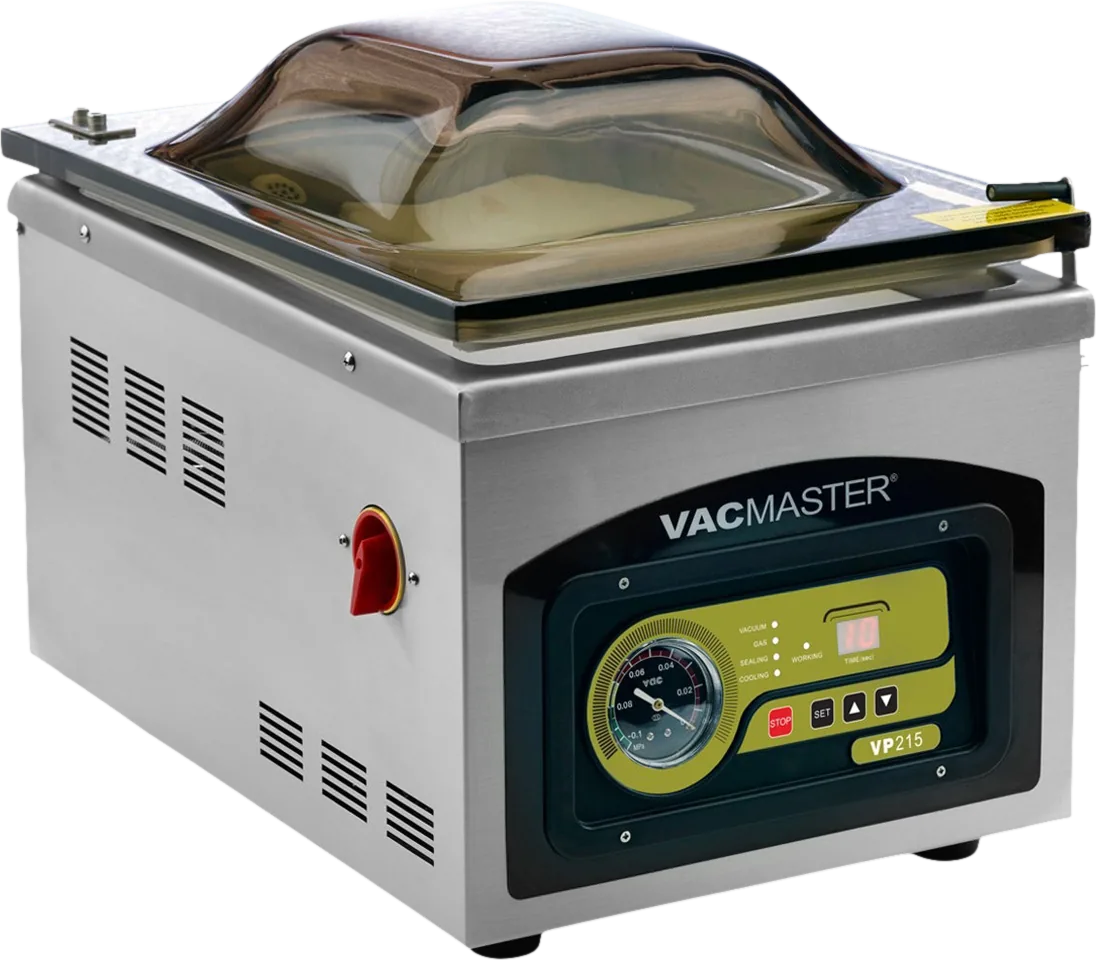
Questions
Can I do this with a regular vacuum sealer that uses bags?
Not well. A bag sealer pulls liquid toward the seal and stops, and it cannot hold an open container of brine. This needs a chamber machine.
Why did my whole baby carrots come out tasting raw?
Whole, dense vegetables have almost no cut surface for the brine to enter. Slice them thin or quarter them and run the cycle again.
Are these shelf-stable like canned pickles?
No. Nothing was heated or sealed for storage, so treat them as fresh food and keep them in the fridge.