Restaurant green oil
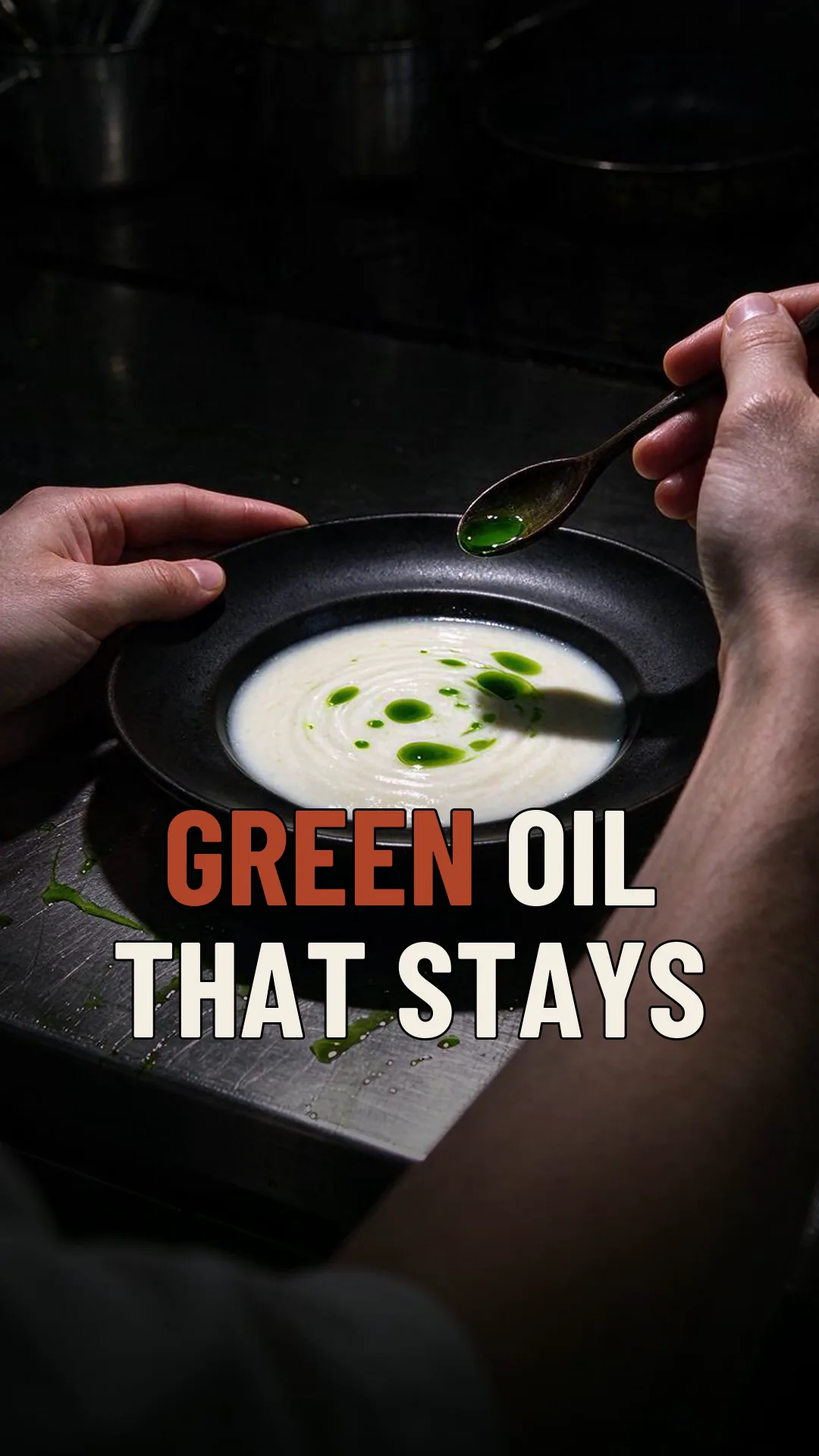
Make the bright green herb oil you see dotted around plates in good restaurants, and keep it green.
Most homemade herb oil turns murky olive within a day and can taste grassy or flat. The restaurant version stays vivid because of two things: heat from the blender itself, and patience when you strain it. Get the temperature right and the color holds.
Amounts and temperatures
- Soft herbs and neutral oil, 1 part to 2 by weight: for example 100 g herbs to 200 g oil.
- Target: 176°F (80°C), reached by blender friction alone.
- Ceiling: stop before 190°F (88°C).
- Strain over a bowl of ice and let it drip on its own.
Method
- 1
Weigh your soft herbs, such as parsley, chives, basil or dill, and weigh out twice that amount of neutral oil.
- 2
Put both in a high-speed blender and run it on high. The friction of the blade heats the oil.
- 3
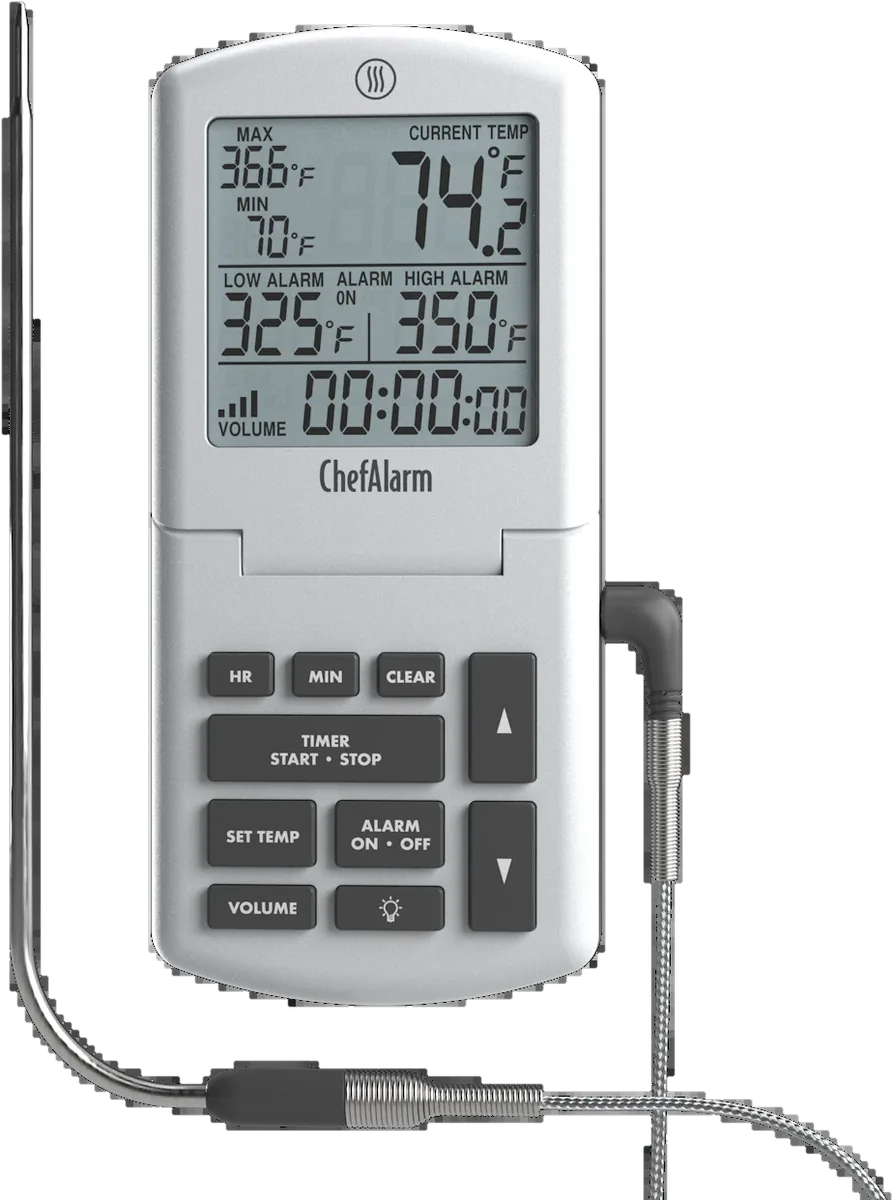
Stop and check with a probe thermometer. Keep blending until it reaches 176°F (80°C), and stop before about 190°F (88°C).
- 4
Set a cloth-lined strainer over a bowl sitting in ice and pour the oil in. Let it drip through on its own; never squeeze the cloth.
- 5
To get the water out, hang the oil in a piping bag in the fridge. Water sinks to the tip; snip it and let it drain until green oil appears, then pinch it shut.
- 6
Or freeze the strained oil in a pan and pour the oil off the frozen water underneath.
Why it works
Herbs contain an enzyme that breaks down their green pigment once the leaves are cut, which is what turns homemade oil olive-drab. Holding the blend at 176°F (80°C) destroys that enzyme, so the color stays put. Go much past 190°F (88°C) and you start cooking the herbs, which brings a dull, hay-like taste. Chilling the oil fast over ice stops the heat from carrying on. Squeezing the cloth pushes pulp through and clouds the oil, and any water left in it shortens its life and dulls the color.
Common mistakes
- Stopping short of 176°F (80°C). The enzyme survives and the oil turns olive within a day.
- Running past 190°F (88°C). The herbs cook and the oil tastes of hay, so probe it often near the end.
- Squeezing the cloth to hurry it. Pulp is pushed through and the oil turns cloudy.
- Leaving the water in. It dulls the color and shortens the oil's life; drain it off in the fridge, or freeze it and pour the oil away from the ice.
- Using a strong olive oil. It fights the herbs for flavor and muddies the green.
The tool
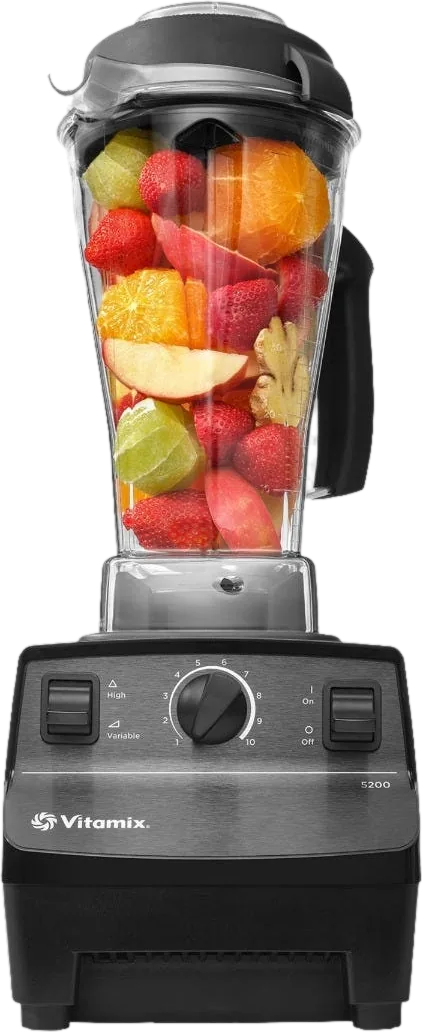
5200 Standard Blender
Friction heat that keeps herb oil green
We earn a commission. It never changes the price you pay.
This is the class of blender restaurants run their herb oils and purées through. The motor is strong enough to heat a batch by friction alone, so no stove. The tall narrow jar keeps small amounts on the blade.
Also useful here
Questions
Can I use a regular blender?
Only if it can heat the oil to 176°F (80°C) by friction alone. Most standard blenders cannot, so the enzyme survives and the oil fades.
Why does my oil taste like hay?
It ran too hot, past about 190°F (88°C), and the herbs cooked. Check the temperature more often near the end.
What oil should I use?
A neutral one, so the herb is the only flavor and the color reads clean. A strong olive oil competes with both.